Launched in 2008, the Tier 1 (Investor) visa let high-net-worth individuals gain UK residency by placing a minimum investment for Golden Visa of £2 million under professional management in actively trading UK companies. Depending on the amount invested, holders could qualify for Indefinite Leave to Remain in as little as 2 years (£10 m), 3 years (£5 m) or 5 years (£2 m).
In short, it delivered speed, flexibility and freedom that other UK visas could not match. Golden Visa UK made it easier for investors from around the world to move to the UK and build their lives, businesses, and futures there.
The final day to apply for Indefinite Leave to Remain under the old Golden Visa UK route is 5 April 2025. Applications received after this date will be refused.
The government closed the Golden Visa UK on 17 February 2022 following rising concern over financial crime and national security. The route had pulled in large sums from overseas investors yet faced steady criticism for letting corrupt elites channel suspect funds into the UK.
the £2 million requirement could be satisfied through government bonds rather than job-creating business ventures, limiting genuine economic impact
despite 2019 reforms requiring two-year fund holding periods, source-of-wealth checks remained insufficient to detect sophisticated laundering schemes
high-profile cases involving sanctioned individuals who had previously obtained visas undermined public confidence in the system's integrity
In February 2022 the Home Secretary closed the visa with immediate effect, telling Parliament the scheme “failed to deliver for the UK people and gave opportunities for corrupt elites to access the UK”. The closure was the opening plank of the government’s Fraud Action Plan and the forthcoming Economic Crime & Corporate Transparency Bill, both designed to tighten gate-keeping across UK immigration, property and company registers.
The original "Golden Visa" was politically toxic and economically pointless because it involved passive investment, little due diligence, and reputational fallout from capital linked to Russia.
When evaluating the UK Golden Visa requirements, it's essential to understand the major shift that occurred in 2014. Before 2014, investors only had to keep two million pounds in the UK, live here for six months each year and pass a basic English test. The 2014 changes mean they must now show that the money has been theirs for two full years, put it into active UK businesses that create jobs, speak English at the B1 level, and send regular proof that they still meet every rule.
| Requirement | Pre-2014 Rules (granted before 6 Nov 2014) | Post-2014 Rules (granted on/after 6 Nov 2014) |
| Minimum capital | £1m total under your control | £2m invested in actively-trading UK companies |
| Amount that must be invested | £750k in UK share/loan capital | Full £2m in UK share/loan capital (no property, no funds) |
| Top-up rule | Not formalised; shortfalls tolerated if corrected quickly | Must restore to £2m within one reporting quarter |
| Investment deadline | Within 3 months of entry/start date | Within 3 months of entry/start date |
| Absence limit (any 12 months) | ≤ 180 days | ≤ 180 days |
| Accelerated ILR | £5m → 3 yrs; £10m → 2 yrs | £5m → 3 yrs; £10m → 2 yrs |
| English & Life in the UK | Required for ILR only | Required for ILR only |
| Criminal / breach checks | Standard | Enhanced – zero tolerance for unspent offences |
The tough new rules after 2014 show how the government shifted from welcoming idle money to demanding real business activity, a change driven by security worries that finally closed the door on the scheme.
After the Tier 1 Investor visa ended, entrepreneurs and people with a lot of money have a number of other ways to live in the UK. Each one is made for a different type of business and professional profile. These new paths focus on actively contributing to the economy instead of passively investing, which is in line with the government's shift towards merit-based immigration policies.
| Visa Route | Minimum Investment | Path to ILR | Timeline to Settlement | Key Flexibility Features |
| Self-Sponsorship (Skilled Worker) | £50,000-£200,000 business setup costs | Standard 5-year pathway | 5 years of continuous residence | Work for own company, operational control, established business concepts |
| Innovator Founder Visa | £1,270 personal funds | Accelerated pathway available | 3 years with milestone achievement | Business pivoting with endorser approval, innovative ventures |
| Global Talent Visa | No minimum investment requirement | Standard pathway | 3-5 years, depending on leader status | Multiple employers, self-employment, various professional activities |
| Scale-Up Visa | No investment requirement | Standard pathway | 5 years of continuous residence | Switch employers after 6 months, a high-growth company focus |
The Innovator Founder Visa is good for business owners with approved, original ideas. It lets them settle down faster but gives them less freedom. On the other hand, the self-sponsorship route lets business owners sponsor themselves through their own UK company. This means they don't need to get an endorsement, but they do need to follow all the UK investor visa requirements and pay the right amount of money.
No. Property purchase has never counted toward any UK visa or residency status. You need a work, business, family or student route.
No. The old Start-up/Innovator were an investment visa UK with 50,000 plus an endorsement letter. Both elements were compulsory – the money alone never guaranteed a visa.
The media nickname for the Tier 1 (Investor), the Golden Visa UK, required £2m+ in UK shares or loans and is now permanently closed to new applicants.
No. The investment amount is irrelevant since 17 Feb 2022, the route itself is shut down. Knowing the historical minimum investment for Golden Visa thresholds helps explain why the £10 million accelerated pathway is no longer available.
Unlikely. Government consultations rule out passive assets; capital must flow into active UK companies in AI, life sciences or clean-tech.
No. Charitable gifts are outside the scope of every current immigration category.
The UK's old Golden Visa UK program was always different from similar programs in other countries. It asked for more money and tougher checks than almost any similar scheme in Europe or the Caribbean, a clear signal that the UK saw itself as the premium destination for investor migrants.
| Country | Status | Min Spend | Stay Rule | PR Time | Passport Visa Free Score | Global Reputation |
| UK | Closed | 2m GBP in UK shares | 180 days max absence | 2 to 5 yrs | 188 countries | G7 top tier |
| Spain | Open | 500k EUR real estate | Entry once a year | 5 yrs | Schengen 27 plus 62 others | EU solid |
| Portugal | Open | 500k EUR science fund | 7 days yr 1, 14 days per 2 yrs | 5 yrs | Schengen 27 plus 62 others | EU strong |
| Greece | Open | 250k EUR real estate | None | 5 yrs | Schengen 27 plus 62 others | EU basic |
| St Kitts | Open | 250k USD donation | None | 5 yrs citizenship | 155 countries | Caribbean fast |
The UK Golden Visa had higher investment requirements, but it also gave people the most prestige, a top-tier passport, and access to money all over the world. Spain and Portugal, on the other hand, have gotten rid of property-only routes and now require real residence and tax ties. Greece is still the cheapest way to get into the EU, and St. Kitts has the fastest passport, but is under EU pressure to do due diligence. The UK now rewards active participation over capital alone after the removal of England Golden Visa program. Only routes based on business, innovation, or talent are now considered Tier-1 credible.
For the wrong reasons, the UK Golden Visa was never short of headlines. Below are the core concerns that fuelled its closure and the safeguards shaping any successor programme.
Parliamentary probes found that Tier 1 Investor visas issued before 2015 had the weakest source of funds checks in the G7. Millions were traced to post-Soviet privatisation fraud and sanctions-linked shells.
Media and voters branded the route passports for sale after it emerged that 6,312 main applicants gained ILR while creating zero jobs or tax receipts. According to YouGov polls, public support for investor visas fell below 15 percent in 2022.
Because capital could be invested in FTSE trackers or gilts, the Migration Advisory Committee calculated that each 2 million pound investment added just 38 thousand pounds GVA to the UK economy, less than one nurse's salary over five years.
When applying for any future England Golden Visa replacement, investors should expect radically different conditions:
the era of parking cash and waiting for a passport is over. These investment visa UK requirements will make sure that only real investors with clean money can use the new route. Any future UK investor visa will treat capital as venture funding, not a commodity purchase, with strict UK investor visa requirements that prioritise economic impact and transparency.
No. New applications closed on 17 February 2022. Only extensions and settlements remain for existing holders.
Our commitment to excellence is backed by the best.
We take pride in being featured and officially accredited by top business, immigration, and legal platforms. Our work continuously meets the highest criteria of trust, credibility, and results, earning us major accolades and high-level media attention. These accolades are more than just badges; they serve as evidence that clients are in capable, safe hands when they choose us.


Chief Executive Officer
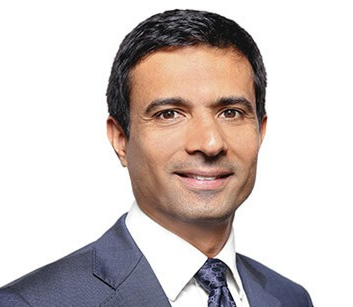
The driving force behind the company, Yash has years of legal experience and an uncompromising focus on client success. His leadership is the catalyst for integrity, innovation, and results.

Senior Associate
Sunny is an experienced immigration caseworker with 8 years in Sponsor Licence, Skilled Worker, family settlement, and Naturalisation matters. He built a strong UK business client base and is the go-to for direct advice, problem solving, and winning outcomes.

Chief Operating Officer
Anik combines strategic mind with operational acumen to drive scale of impact and efficiency in service delivery. His systems philosophy runs the engine smoothly.

Business Relationship Manager
Amin heads the frontlines of client interaction. He is driven by a consultative mind and profound knowledge of immigration options, matching clients with solutions that best meet their objectives.